
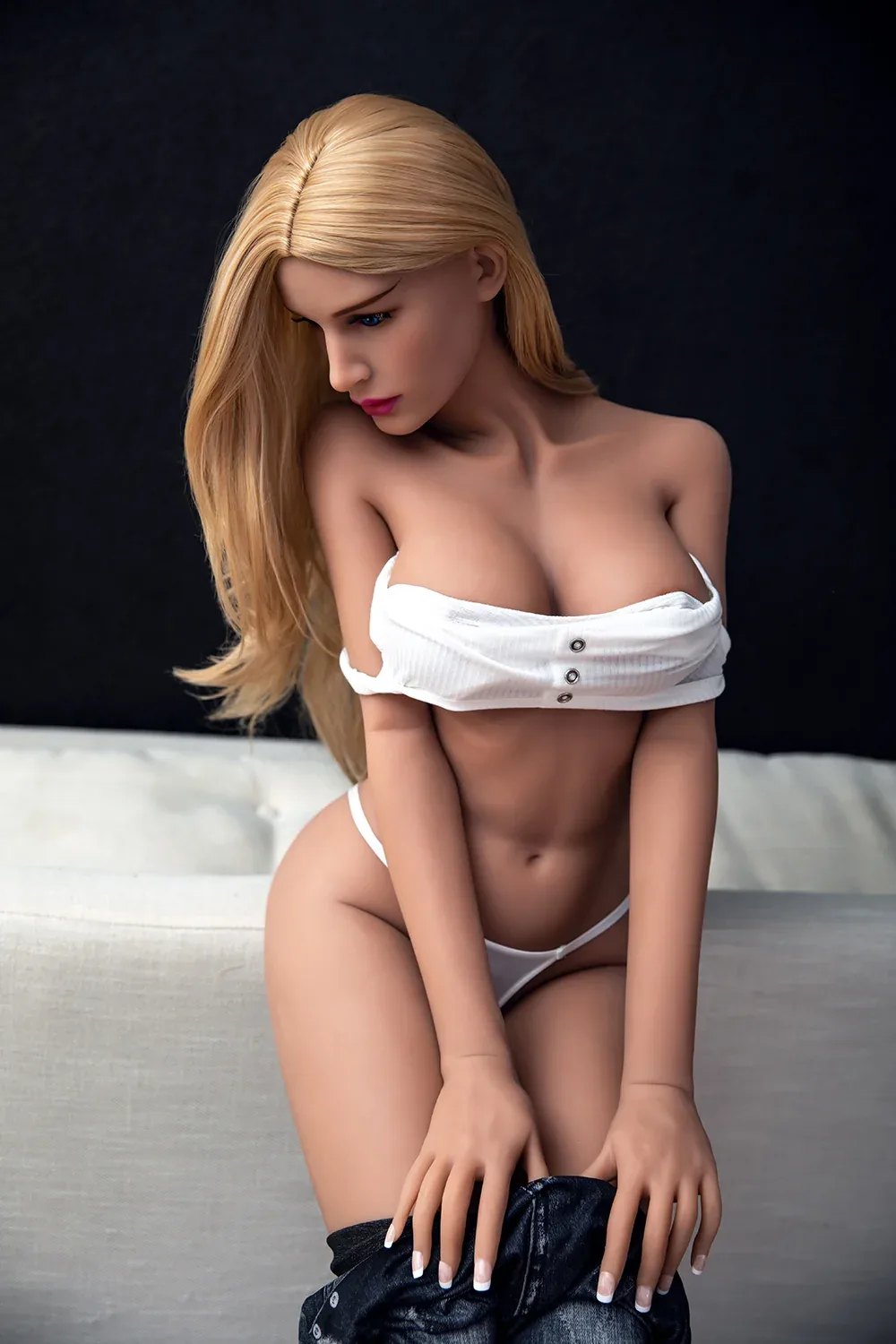
Write down the model and version of both the item and its compatible accessory. Confirm the fitting size, electrical connection or attachment system in writing, then check whether replacements are stocked. Treat a similar silhouette or shared series name as an initial clue only.
Evaluate handling of a full-size doll
Request assembled and packed weights as well as height. Check the route from delivery to storage and whether two people will be needed for handling. Ask the seller to identify the included head, body and accessories before treating prices as comparable.
Check attachment and assembly points
Check the attachment dimensions, any parts required for assembly and the instructions for connecting or removing them. Repeat the same handling routine on each sample and record unexpected looseness. Use the specified fasteners and verify spare-part availability before a bulk order.
Compare the same SKU
Put the SKU, version and box contents side by side. A photograph can show options that are sold separately, and a reused listing title can cover several revisions. Ask for an itemized configuration with the quotation date and archive it against your purchase order.
Separate listing photos from verified details
Use the photo to identify the model and ask for current photos of the selected version and box contents when they matter. List pictured items that may be accessories instead of included components. Publish only attributes supported by the current listing, the supplier or your own documented sample.
Catalog comparison examples
These catalog entries are starting points for comparing specifications and requesting a quote. They are not ranked by unperformed product tests. Verify the selected version and delivery terms before ordering.
Comparison method
The guide uses published catalog information and a documented buying checklist. The examples illustrate the questions to ask, without assigning unsupported scores or claiming an in-person test.


